Chasing Inconnu: Ice Fishing the Arctic Circle for Sheefish
Chasing Inconnu: Ice Fishing the Arctic Circle for Sheefish
By Tyler Lyon & Tyler Ray
Every angler has that itch—the pull toward waters untouched, places where the map gets blurry and the fish grow old and wild. That pull took us north, far north, to the Arctic Circle, chasing a fish with a name that literally translates to “the unknown.” The sheefish.
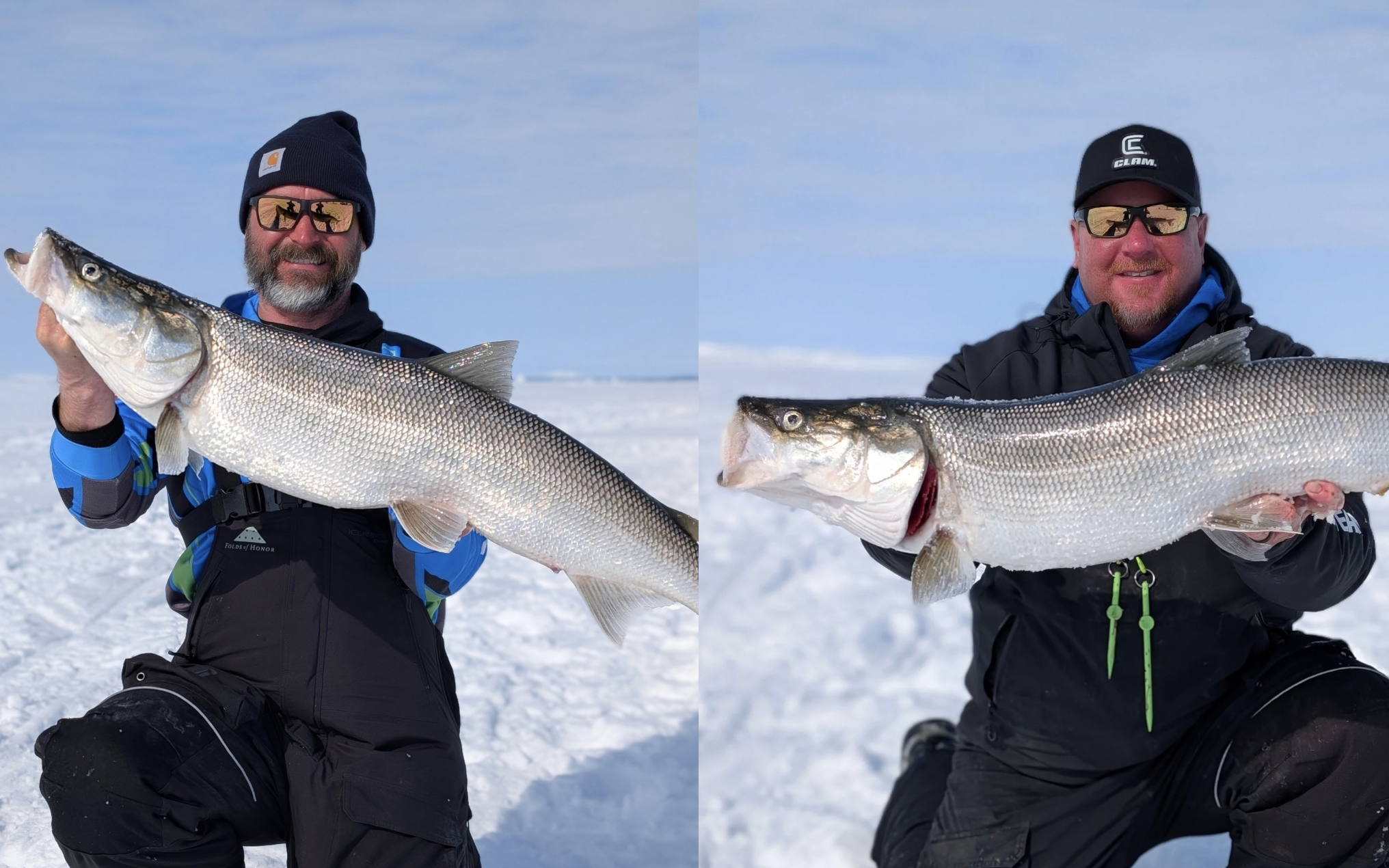
These fish weren’t just big, they were legendary. Only found in the far north, sheefish can exceed 40 pounds and are best known for their violent hits and powerful fights. Better yet? They thrive under ice, in the brackish waters where rivers meet the sea, especially around one Arctic outpost: Kotzebue.
Sheefish are known scientifically as Stenodus leucichthys and are part of the whitefish family, though they look nothing like the delicate species most anglers are familiar with. They’re muscular, predatory, and perfectly built for fast-moving currents. Often called "siivik" by the Inupiat, sheefish thrive in both salt and freshwater, and they return seasonally to spawning grounds much like salmon. Their ability to migrate between salt and freshwater makes them anadromous—a rare and fascinating trait for an ice fishing target.
These fish can stretch beyond 50 inches and weigh over 40 pounds, combining impressive size with a sleek, silvery build that looks similar to a tarpon. Their ferocity is real. Sheefish strike like torpedoes, and their bony mouths make hook penetration a challenge. We learned quickly that sharp hooks and hard hooksets were the name of the game.
We were also struck by the cultural significance of the sheefish. For the Inupiat people of Kotzebue, these fish are far more than sport—they're sustenance, heritage, and spirit. Their annual arrival is a moment rooted in both celebration and survival. They are dried, smoked, and preserved and some locals told us smoked sheefish is among their favorite foods.
Plans quickly took shape after Tyler (Ray) and I started discussing the idea of targeting these fish, and a year later we were off to the Arctic Circle with our friends Nate Randall and Wes Bronniman. What awaited us wasn’t just an unforgettable fishing trip—it was an introduction to a culture, a landscape, and a way of life that would reshape how we thought about adventure.
Our final approach into Kotzebue was surreal. The town, just 33 miles above the Arctic Circle, sits on a spit of land between the Kotzebue Sound and the tundra. The population hovers around 3,000, with roughly three-quarters identifying as Inupiat. There were few cars—mostly snowmobiles and ATVs, and the buildings, clad in metal and tin, stood resiliently on frozen permafrost.
It felt like we had landed at the edge of the map. Snow was falling lightly when we touched down, and there was a quiet rhythm to the town. Everyone seemed to know one another and we immediately felt the warmth of a community used to doing things together.
Stepping out onto the frozen Chukchi Sea for the first time was a humbling moment. The frozen ocean stretched as far as we could see, a vast, quiet expanse of white. The ice was five feet thick, and drilling through it required extensions and a lot of muscle. It was late ice—grainy and grey, not the clear, hard stuff we were used to back home.
Temperatures hovered around 25°F during the day, which felt downright comfortable by Arctic standards. That said, the wind could still cut through most layers. We were thankful for the Clam Delta and Ascent suits and Sub Zero X boots,which kept us warm enough to fish long, hard hours without needing to use the shelter we’d rented.
Our gear setup was a blend of high-performance modern tools and traditional craftsmanship. The Clam Outdoors Predator Series 42-inch rod, medium-heavy, paired with 40-pound braid was the sweet spot for handling sheefish. We also used niksiks—small bow-shaped hand tools modeled after traditional Inupiat gear. One was carved from red oak and another from a whitetail antler back from Nebraska. Both were spooled with heavy Dacron line.
We fished with spoons, both flutter and jigging types, weighing up to 2 ounces. Usually silver with hints of blue, red, or chartreuse. Tides dictated our strategy. During slack water, flutter spoons were ideal, but as the tide surged, heavier jigs helped keep our bait where the fish were. Wes discovered that herring oil worked great with spoons and the locals told us to tip them with a piece of sheefish chin—an old trick that proved incredibly effective.
The sheefish strike like a freight train. One second you’re jigging, chatting casually—the next your rod is nearly yanked from your grip. On Garmin Livescope, we could see them approaching erratically, slashing at our lures again and again before fully committing. They often came in schools, and when one bit, others usually followed. The best action came on the incoming tide.
Hooking up was one thing. Landing them was another. These fish fought hard and with power, using their weight and the current to full effect. Our hearts raced every time we pulled a fish from the ice. As soon as we turned its head upward, water surged up the hole, pushed by the fish’s massive body and in the next instant, a gaping mouth and silvery bulk were staring back at us.
There were countless unforgettable moments throughout the trip. Nate Randall landed the biggest sheefish, an absolute tank tipping the scales at over 40 pounds. On day two, we encountered a massive school of sheefish that swept through our spot, sparking a frenzy. Every angler on the ice, including a dozen locals fishing alongside us, were hooked up simultaneously. The ice buzzed with excitement as fish were fought, lines tightened, and friends dashed across the ice to lend a hand. It was pure joy to witness such a shared battle with these powerful creatures.
One of the most unforgettable moments came when our local friend Stan brought out a meal like none we’d ever experienced: muktuk (black whale meat and blubber), seal meat preserved in seal oil, and rendered seal fat to dip it all in. We each tried it, and while it’s hard to even describe the flavor—intense, chewy, oceanic—it was an honor to be offered such a culturally significant dish.
Fishing wasn’t just about the fish. One afternoon, a local family joined us on the ice—mom, dad, and three little boys. They were curious, so we handed them rods and let them try. Watching those kids catch fish, laughing and shouting with pride, was a perfect reminder of why we love this sport.
That final evening, as we made our way back to the motel from dinner, the sun dipped low over the frozen sea, casting a brilliant red glow across the snow. We paused to take it all in—one of those moments that doesn’t need words
This trip wasn’t just about checking a species off the bucket list. It was about community, respect, and connection—to the land, the people, and the fish. The Inupiat way of life, grounded in tradition and sustainability, offered a powerful perspective. We weren’t just visitors; we were welcomed into a legacy.
To watch our adventure on YouTube please visit: https://youtu.be/fXMUsXFLnvI?si=8KoPm-PmggOKi1tH
If you’re dreaming of chasing sheefish under Arctic ice, here’s what we learned from experience and from our Inupiat friends:
Gear
- Use a medium-heavy to heavy 40-inch or longer rod with 30–40 size reel and 40+ lb braid.
- Try a niksik with 50–70 lb Dacron for a traditional experience.
- Clam Delta or Ascent suit with Blackfish base layers and Clam Sub Zero X boots are ideal.
- Electronics like Garmin Livescope help, but are optional if you're guided by locals.
Tactics
- Fish the incoming tide; that’s when the bite fires up.
- April is typically the best month to target sheefish under the ice. The weather turns more mild in the Arctic, and the fish begin staging for their spring runs up the rivers.
- Start with flutter spoons during slack water, then switch to heavier jigging spoons as current increases.
- Add scent: herring oil or Sheefish chin meat boosts strike rates.
- Set the hook hard and keep hooks sharp—sheefish have tough mouths.
Logistics
- Travel can be weather-dependent, so build in buffer days.
- Book early with outfitters like Lew Pagel—spots fill up fast.
- Be a respectful guest. The Inupiat rely on sustainable practices to protect these waters.
About the Authors
Tyler Lyon is an avid angler, explorer, and the creator of Lyon’s Untamed Path on YouTube, where he documents immersive outdoor adventures across North America. He also operates Icebound Guide Service in Central Iowa, helping others chase trophy fish through the ice.
Tyler Ray is a professional fishing guide and the founder of Chasing Ice Outdoors in Windsor, Colorado. With a passion for hardwater exploration and a deep respect for wild places, he leads clients on bucket-list ice fishing trips in Colorado.